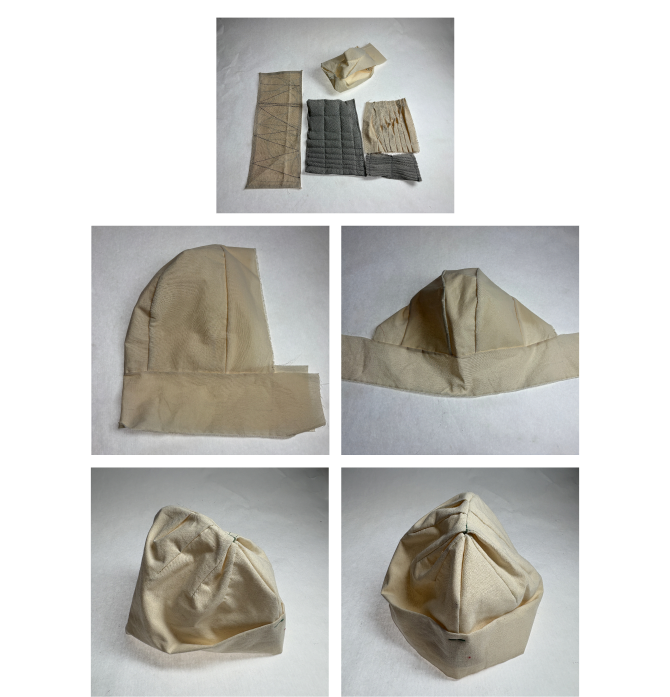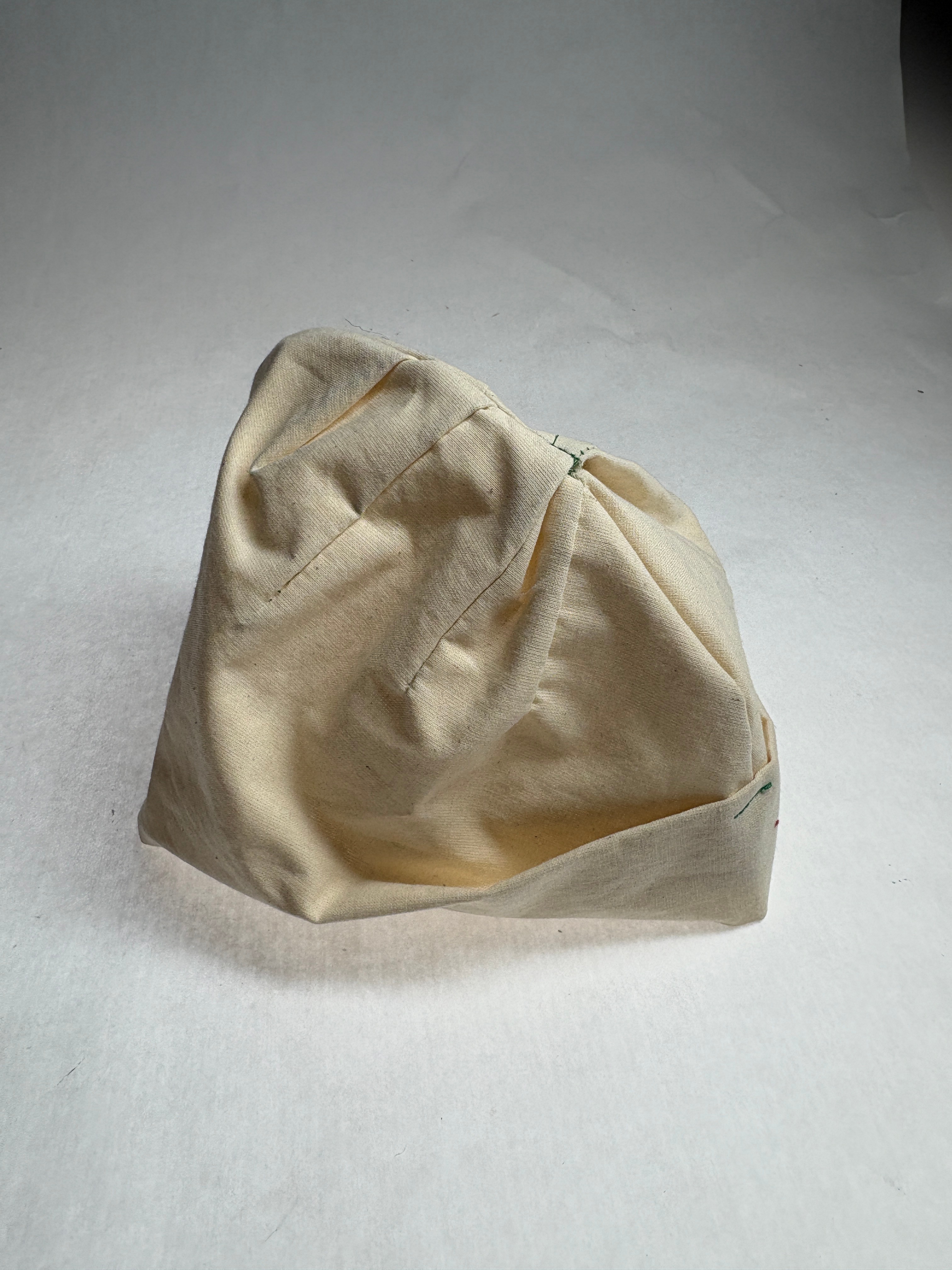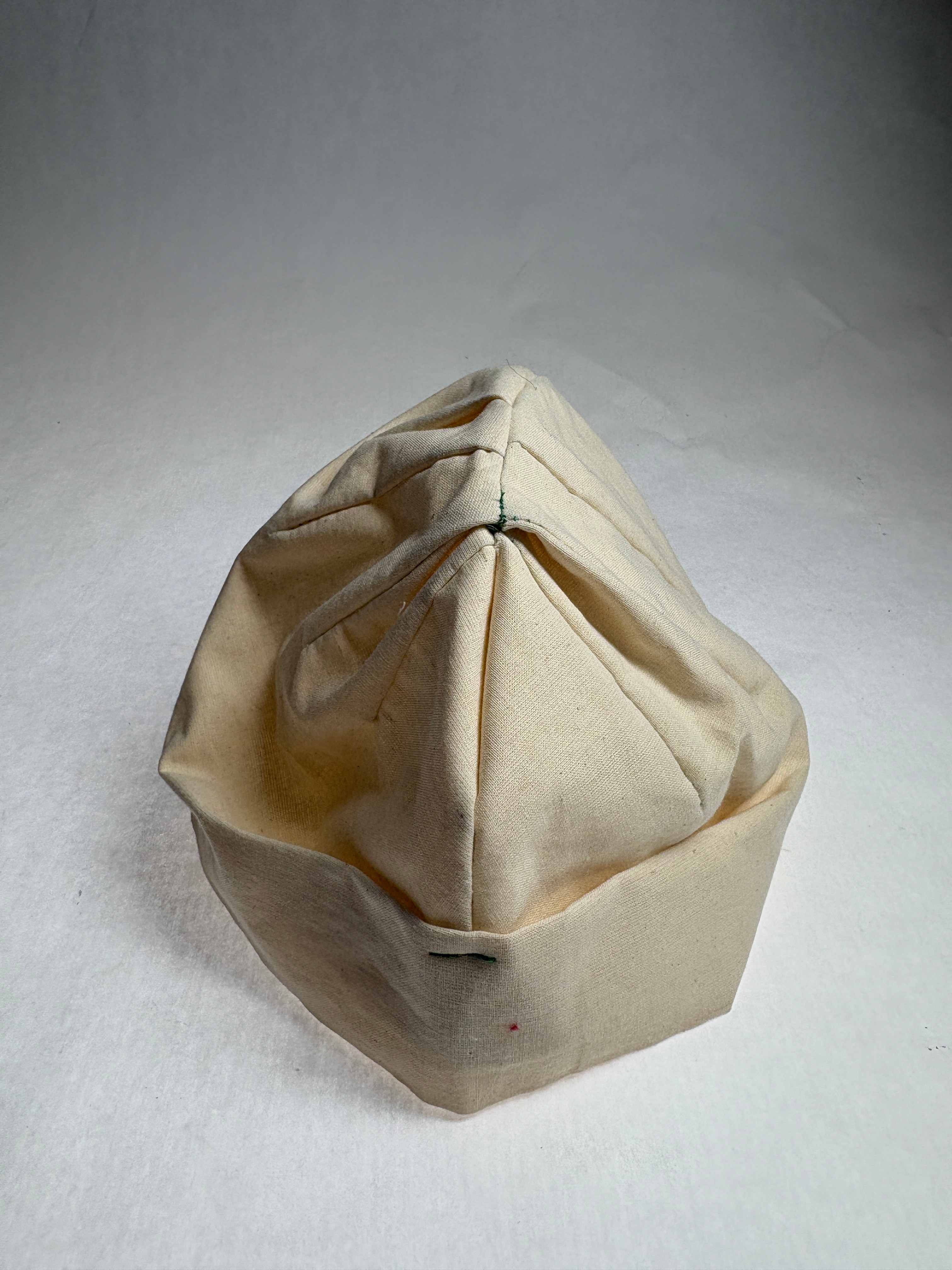
soft goods

head oriented objects

unfitted: the head as a site

man walking in front of textured wall

Project question:

“What does soft goods become when measurement, precision, and fit are intentionally removed from prototyping?”

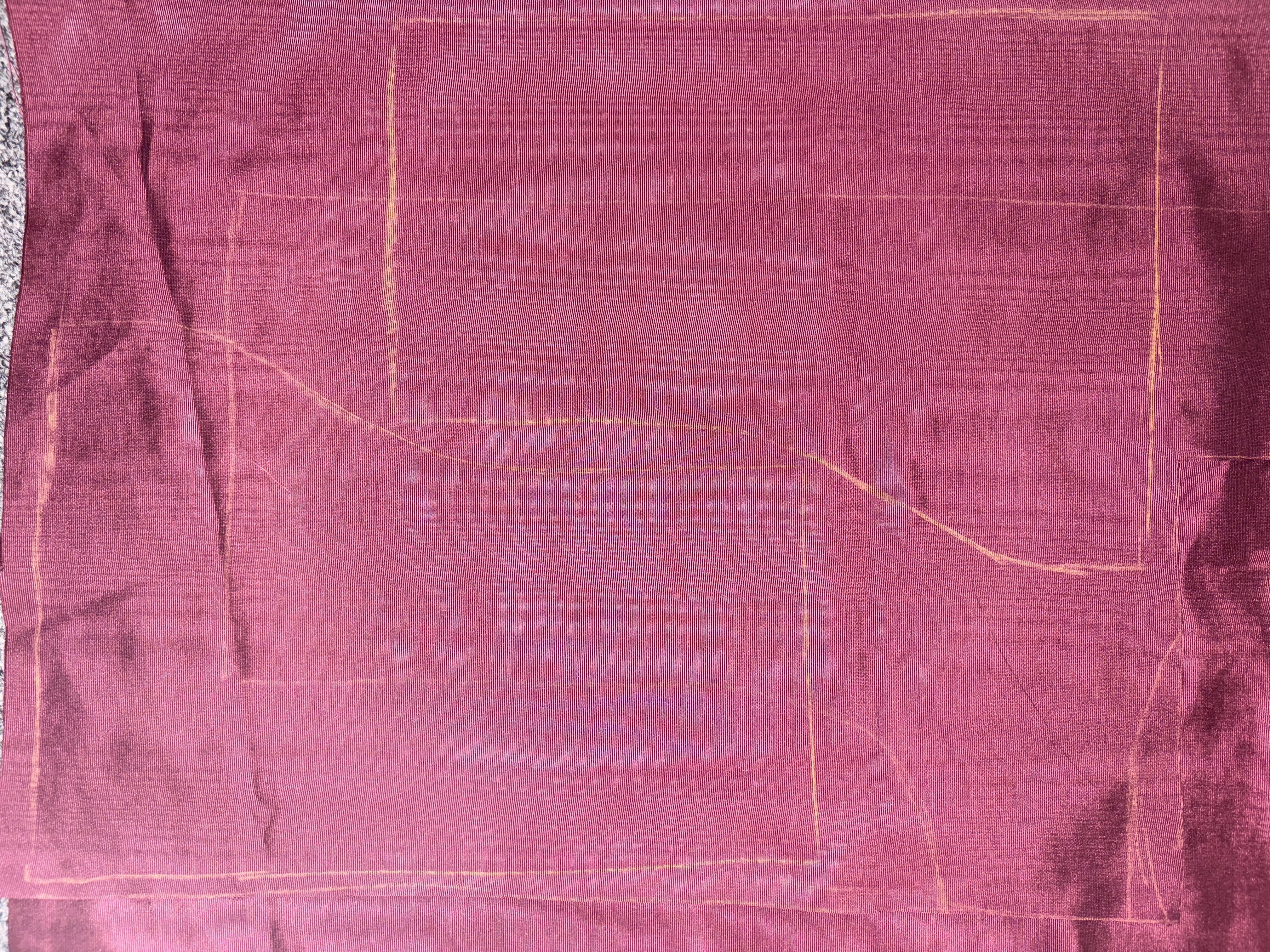
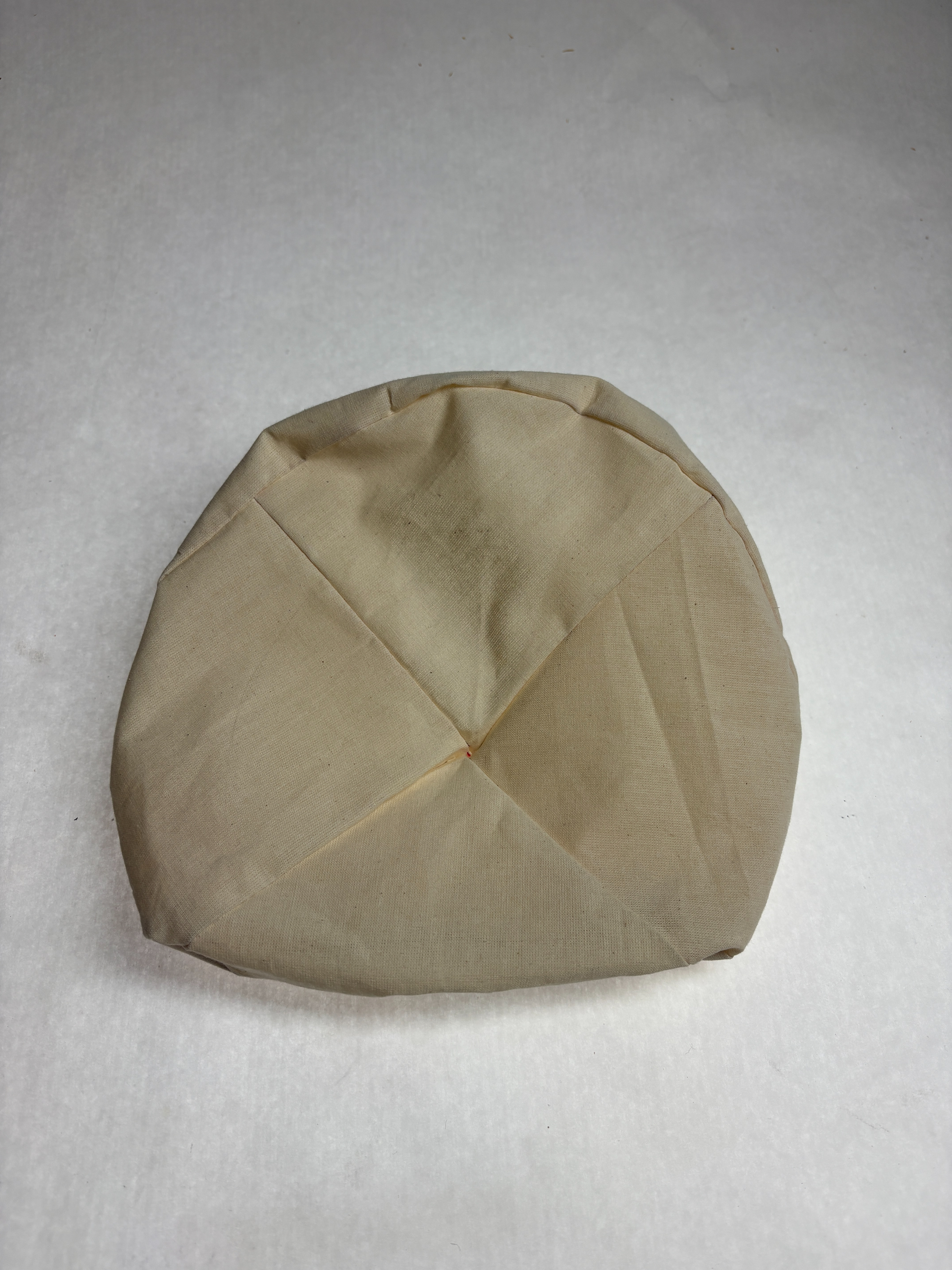
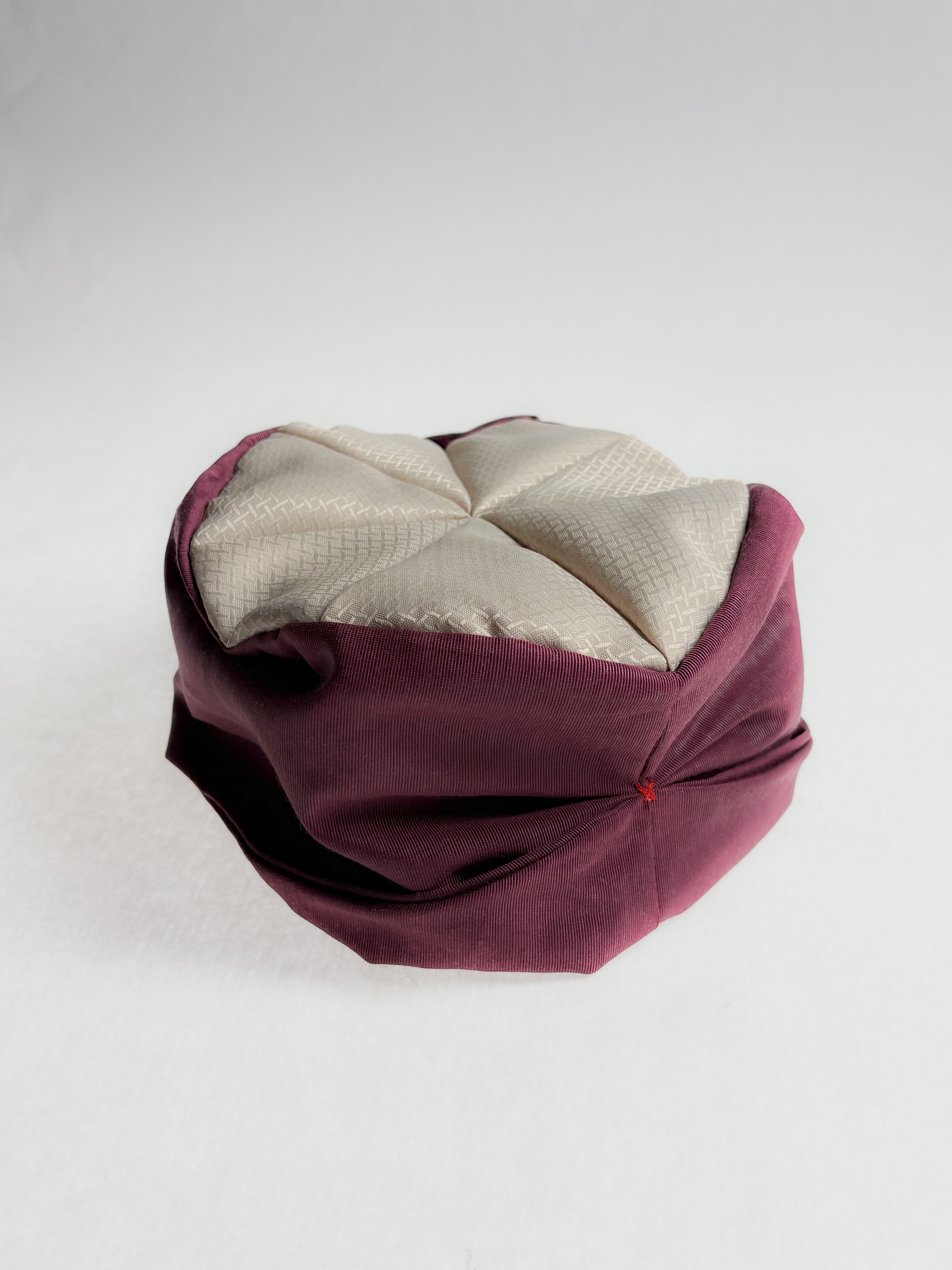
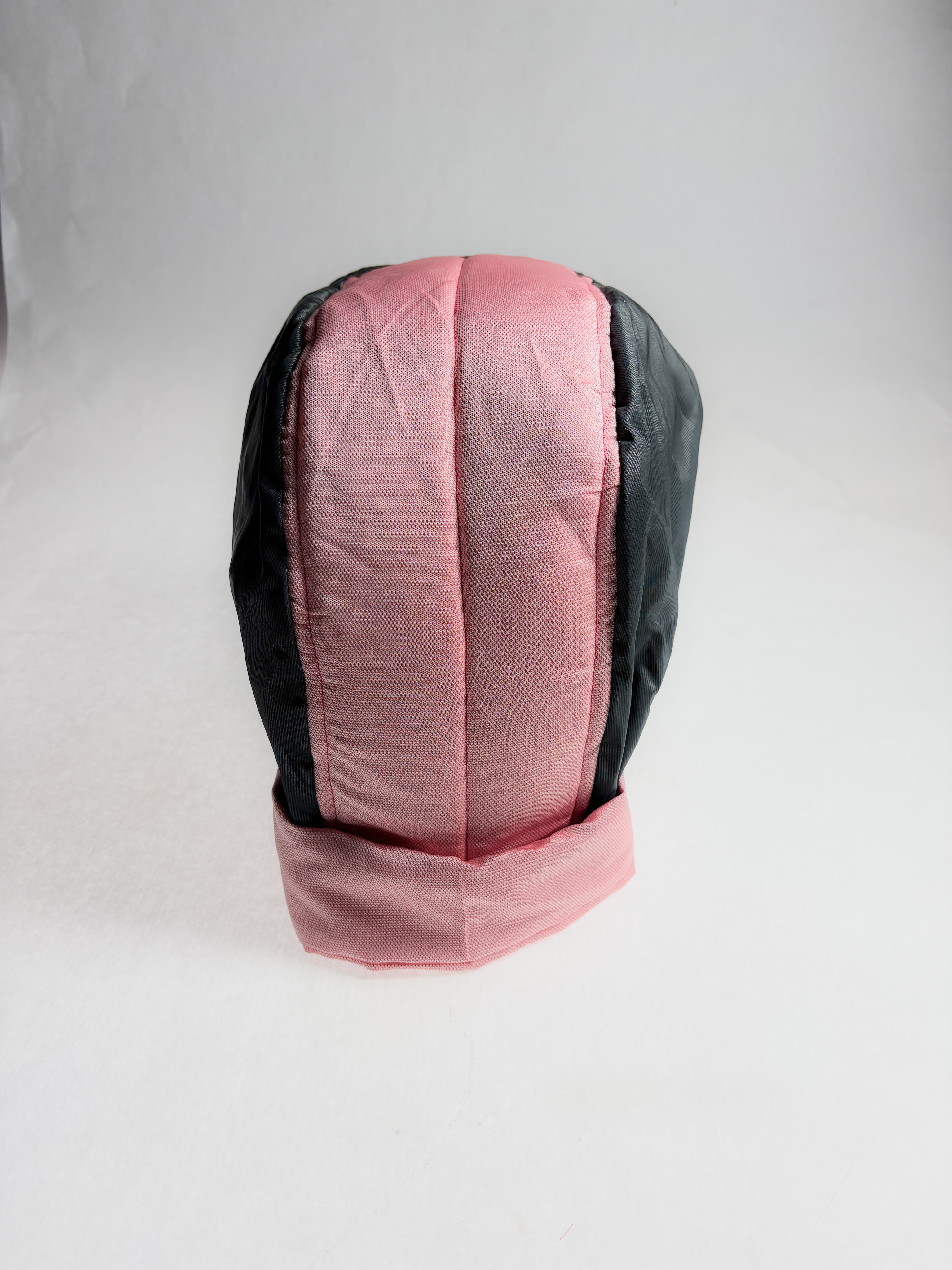
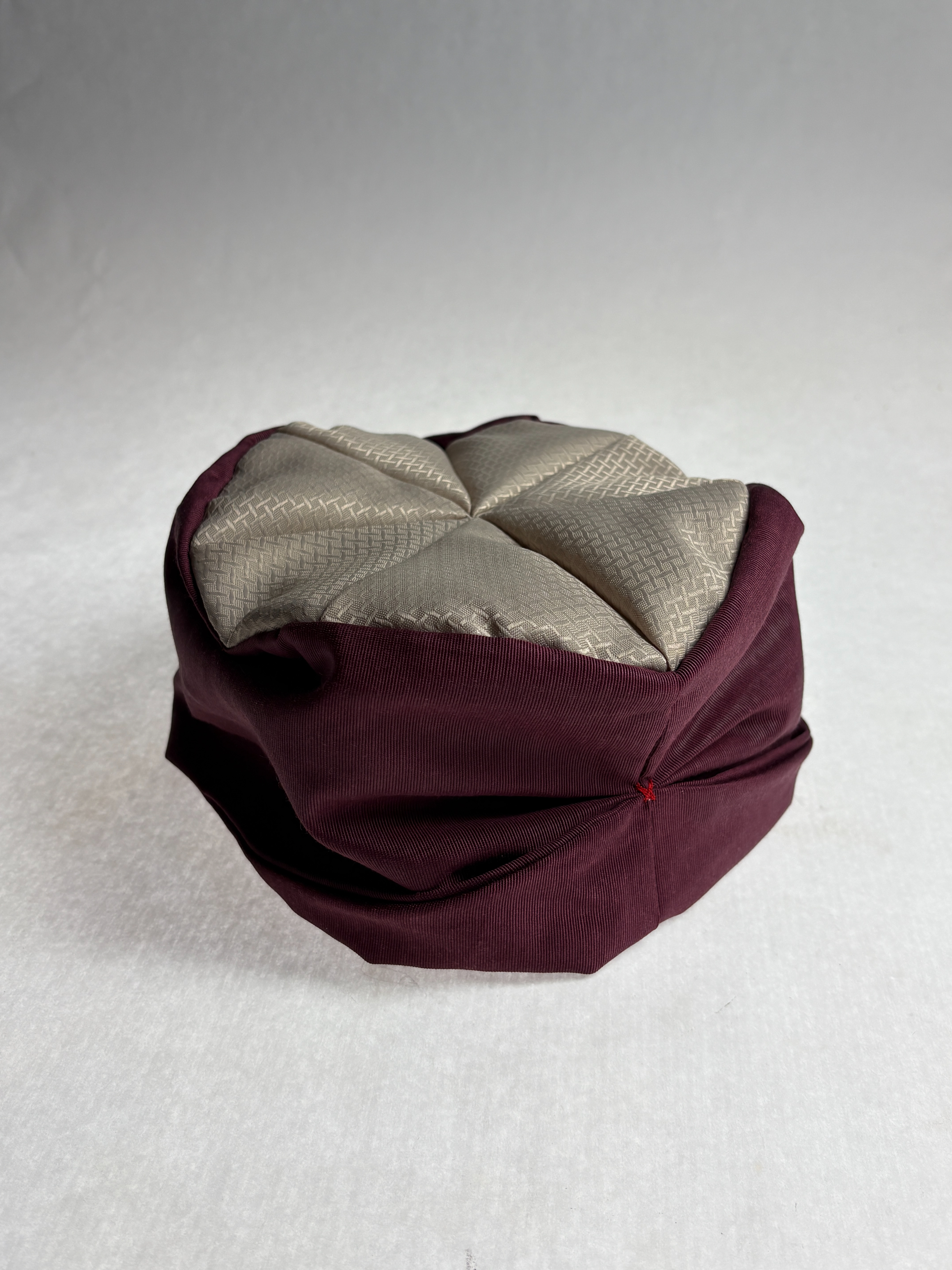
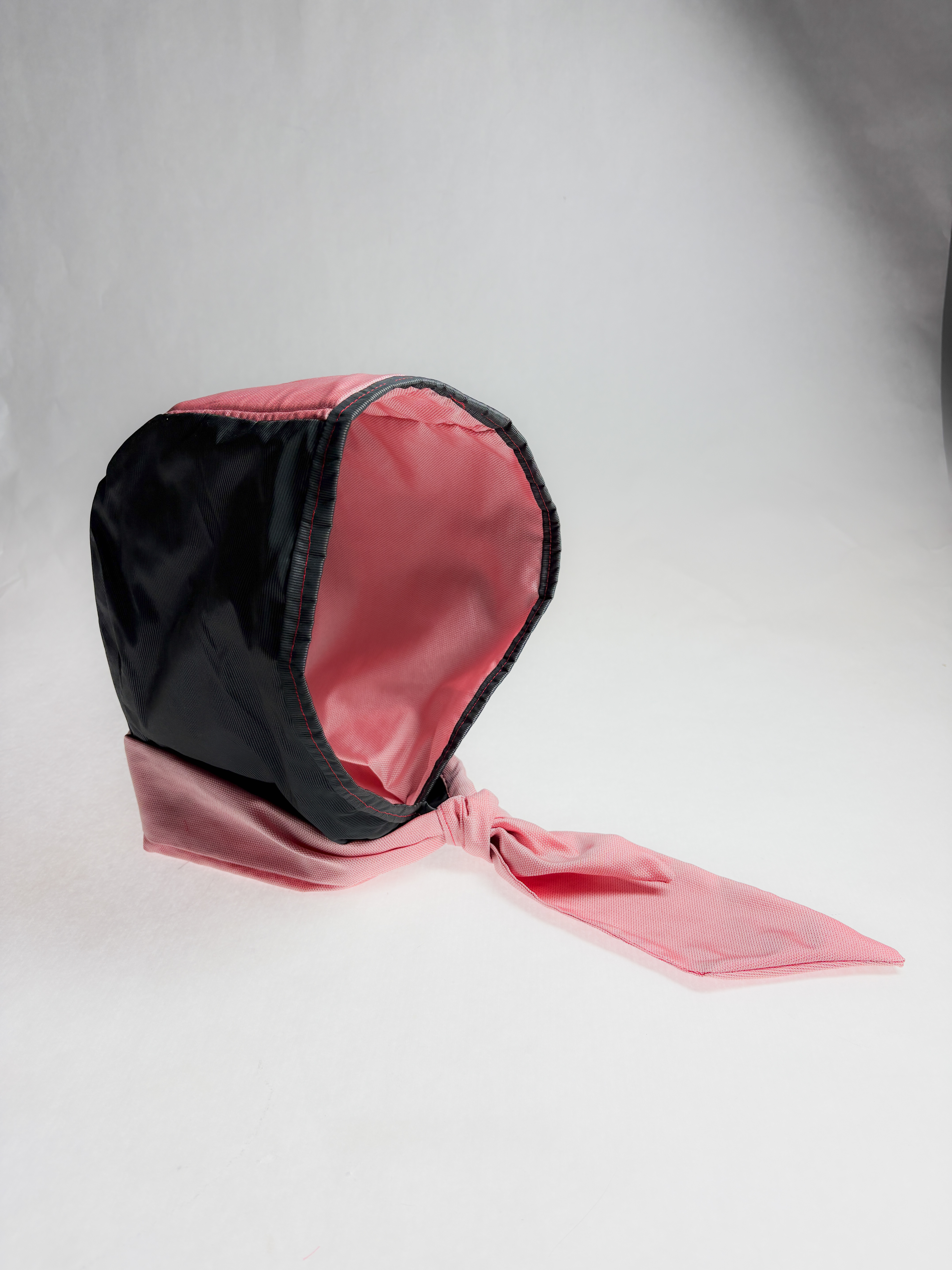
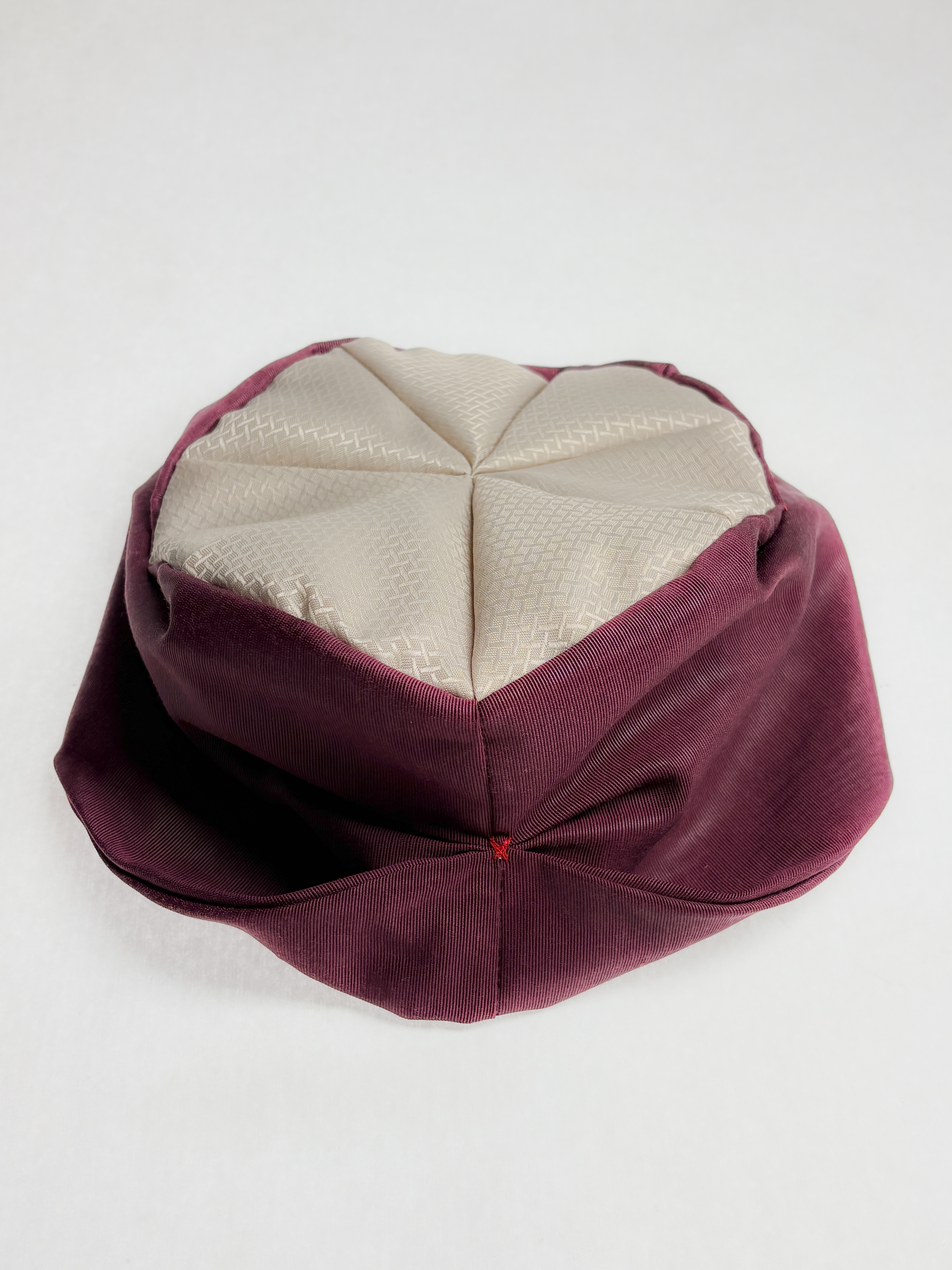
Soft goods design usually centers precision, measurement, and correct fit, assuming objects must support and properly serve the body. My project challenges that logic by removing measurement and control and instead using blind patterning, guesswork, and intuition to treat misalignment and disproportion as valid design methods, especially in relation to the head, which typically demands exactness. Through weekly experiments and two final head oriented pieces, I will explore what happens when care and correctness give way to looseness, humor, misfit, and wonder.

guiding questions

What happens when precision is removed from soft goods design?

How does the object behave when accuracy isn’t the goal?

How can the head be approached with uncertainty instead of correctness?

soft goods vs. unfitted method

→ Measurements/fitting

→ Patternmaking

→ Construction details

→ Order of operations

→ Blind patterning (just draw… or sew…)

→ Cut however much fabric you want (guesswork)

→ Assemble however you want (intuition)

→ Make edits along the way! (have fun!)

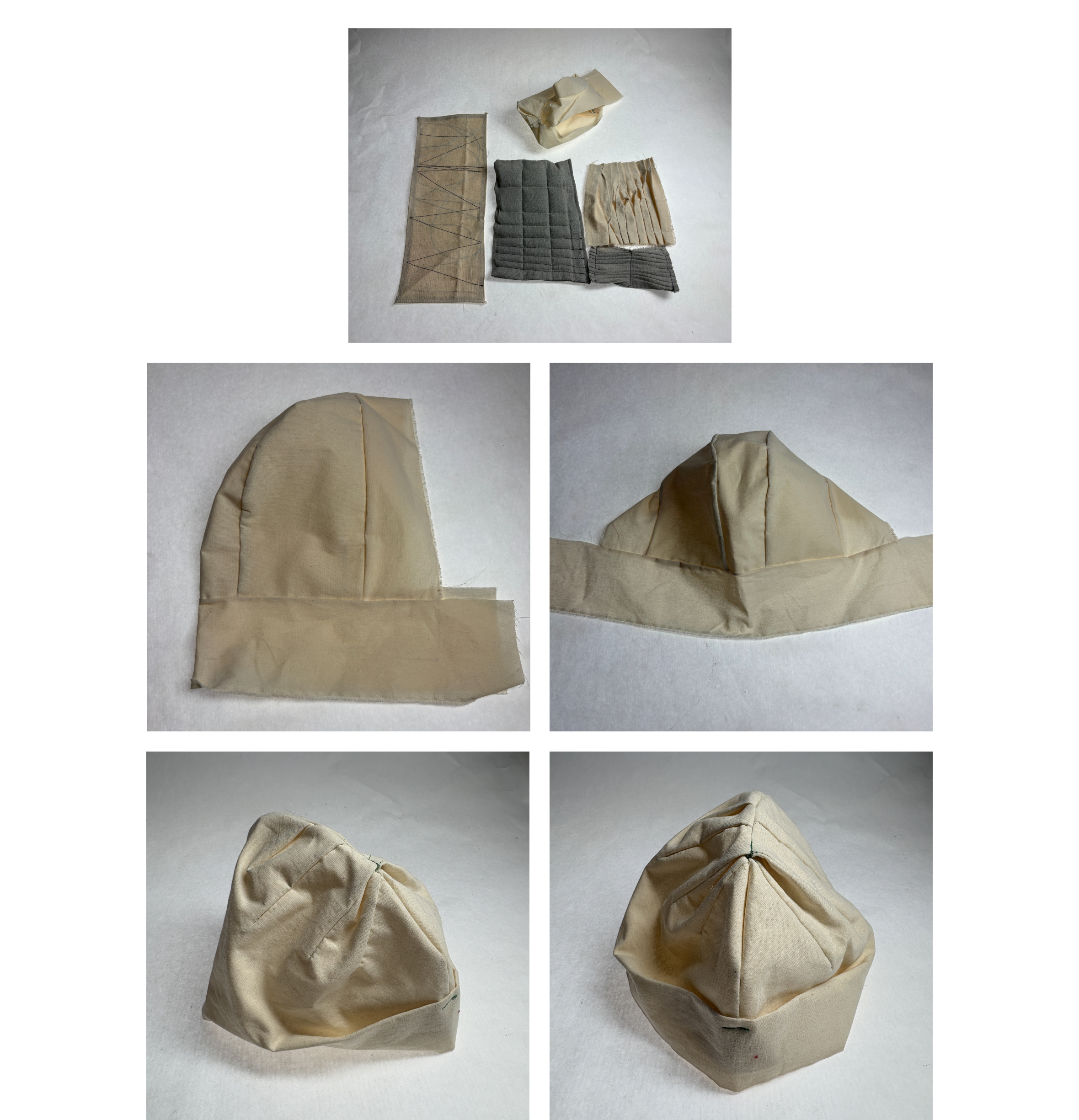
testing processes

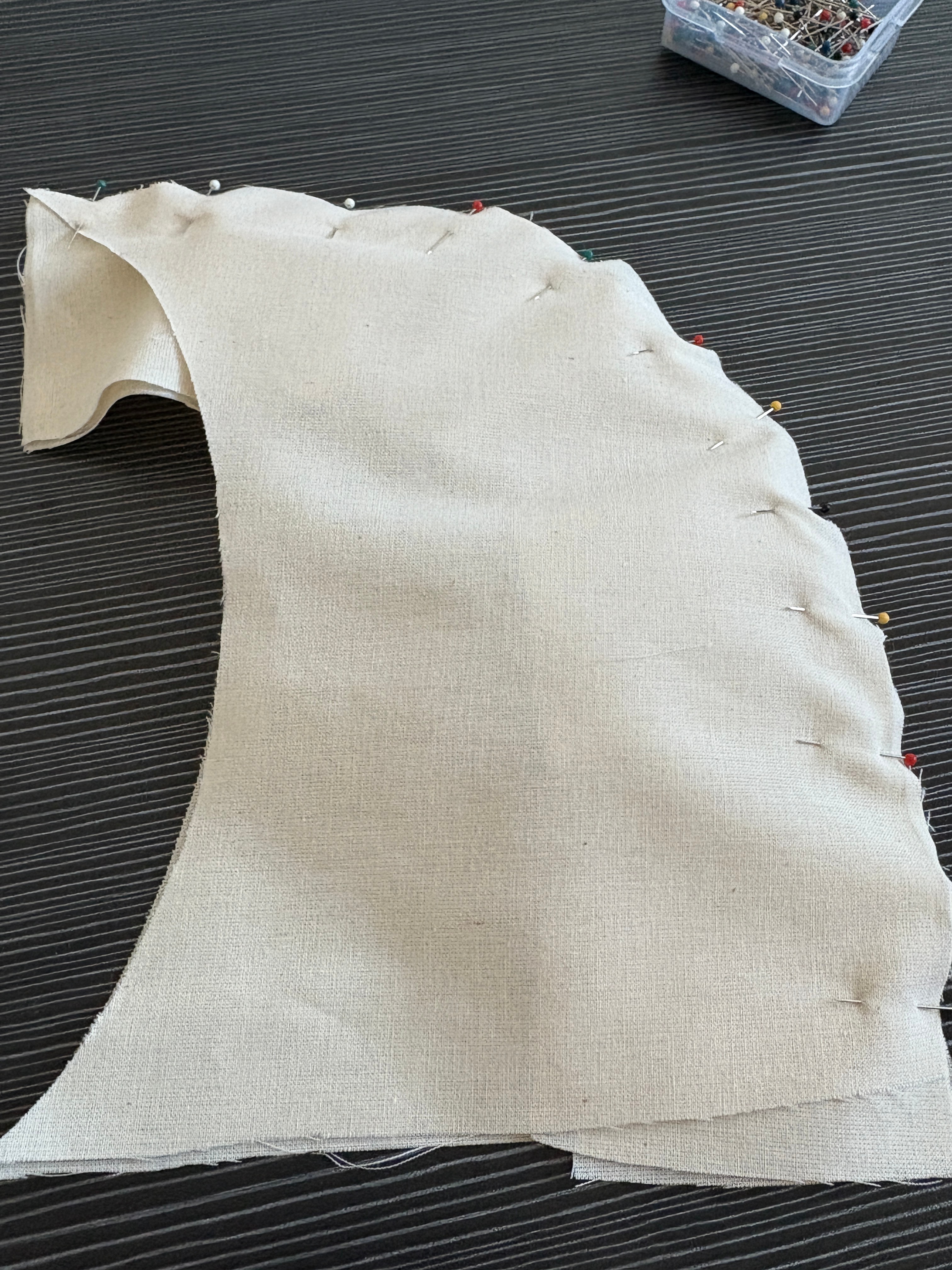
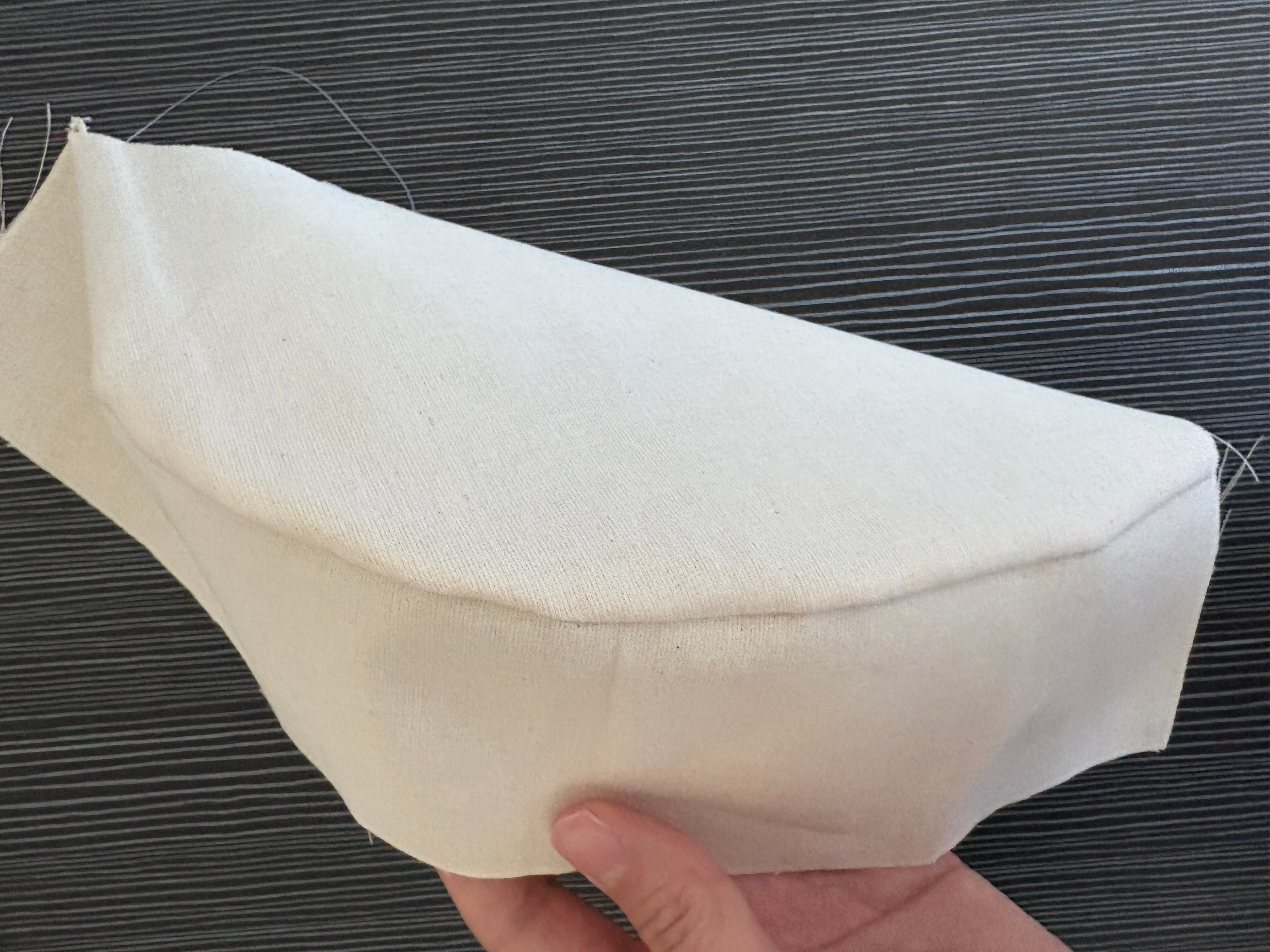
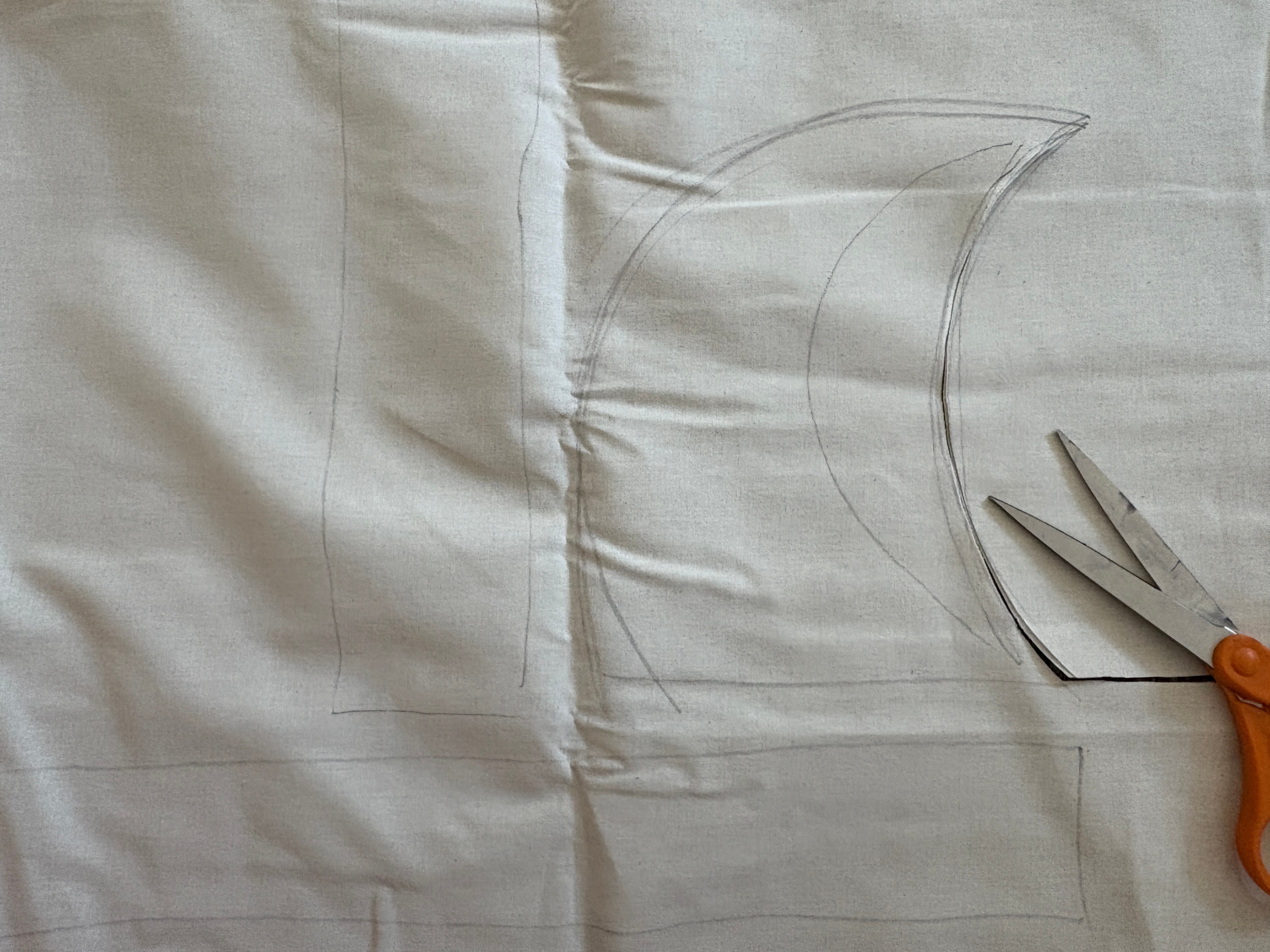
  1. Cutting without rulers
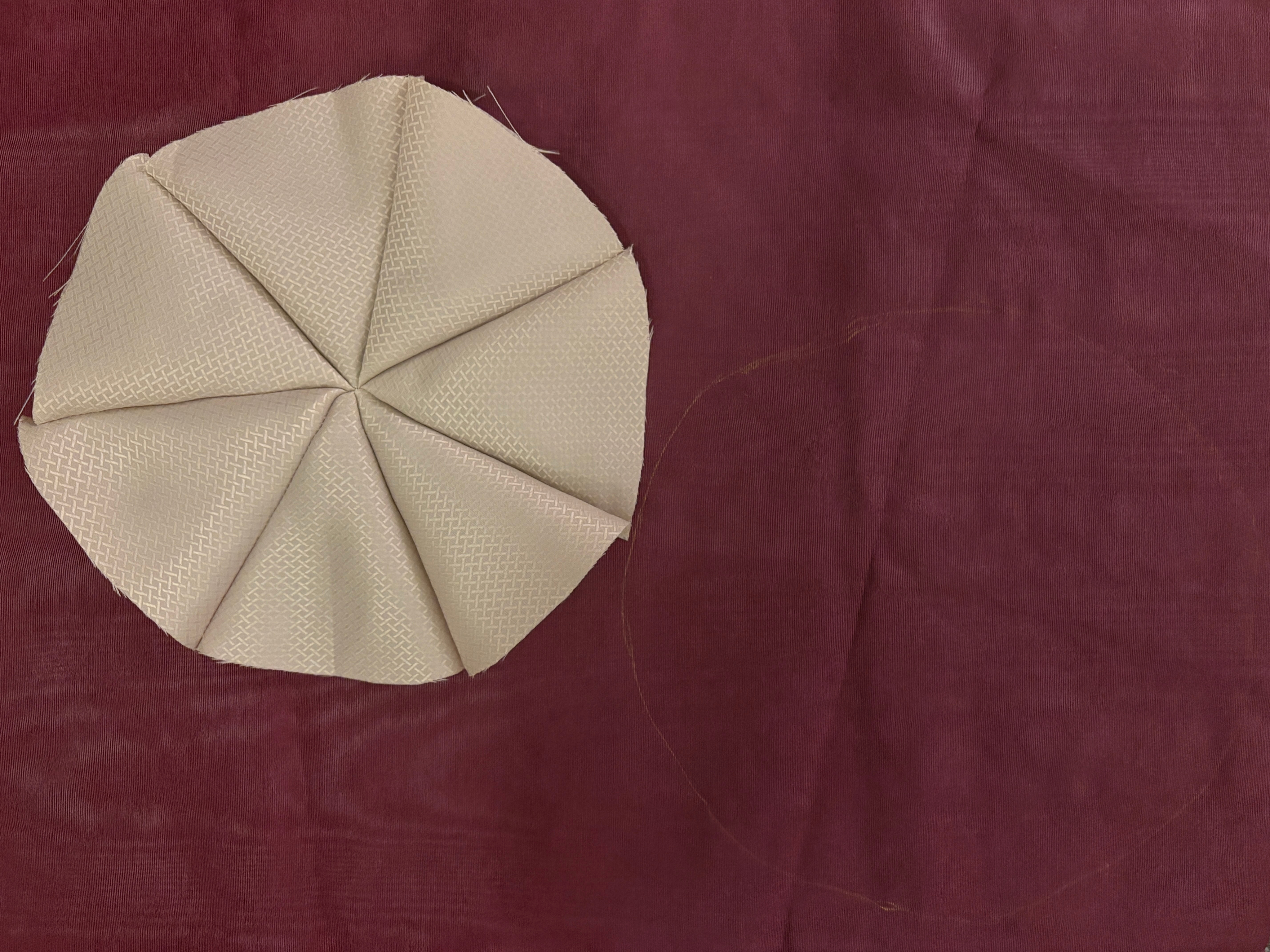
  2. Scaling pieces unpredictably
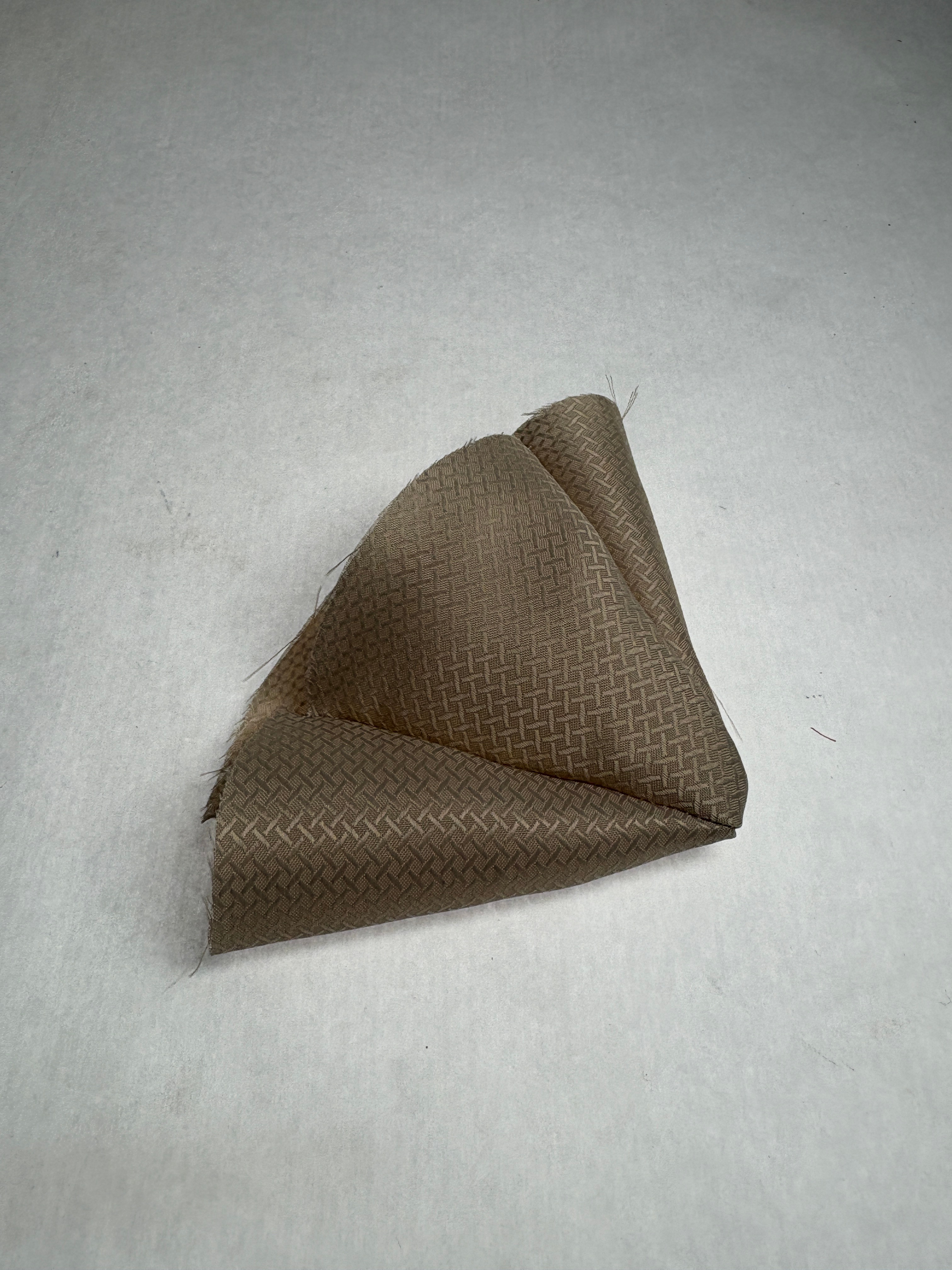
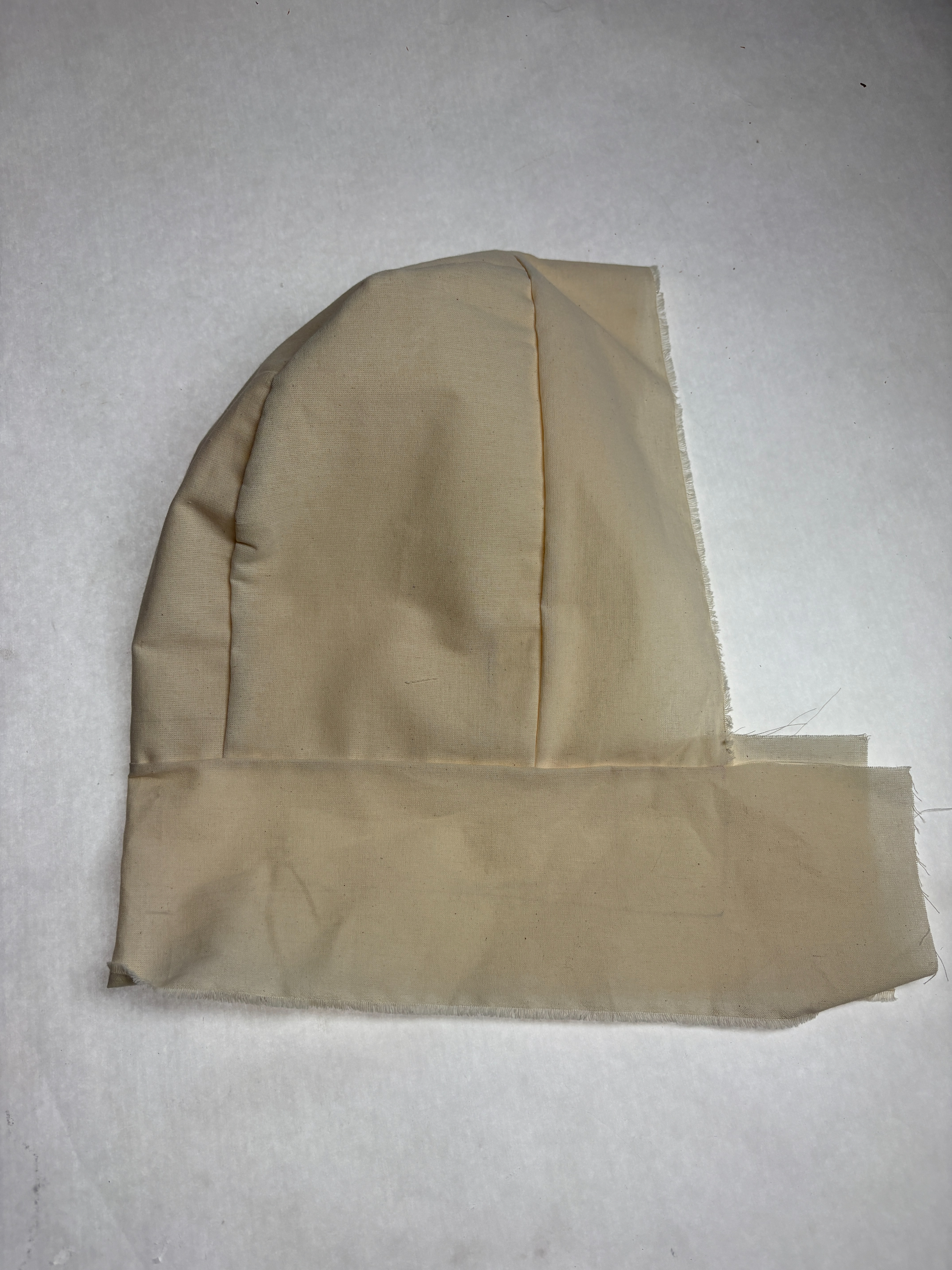
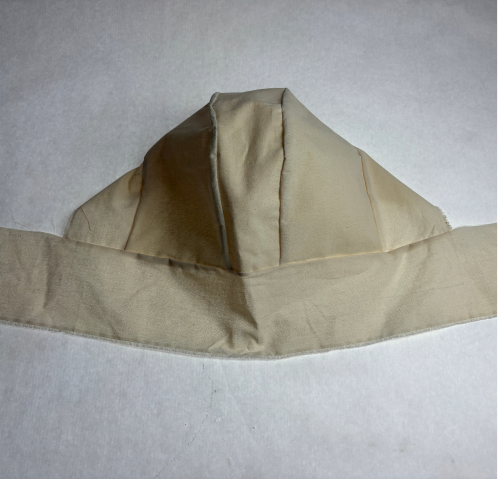
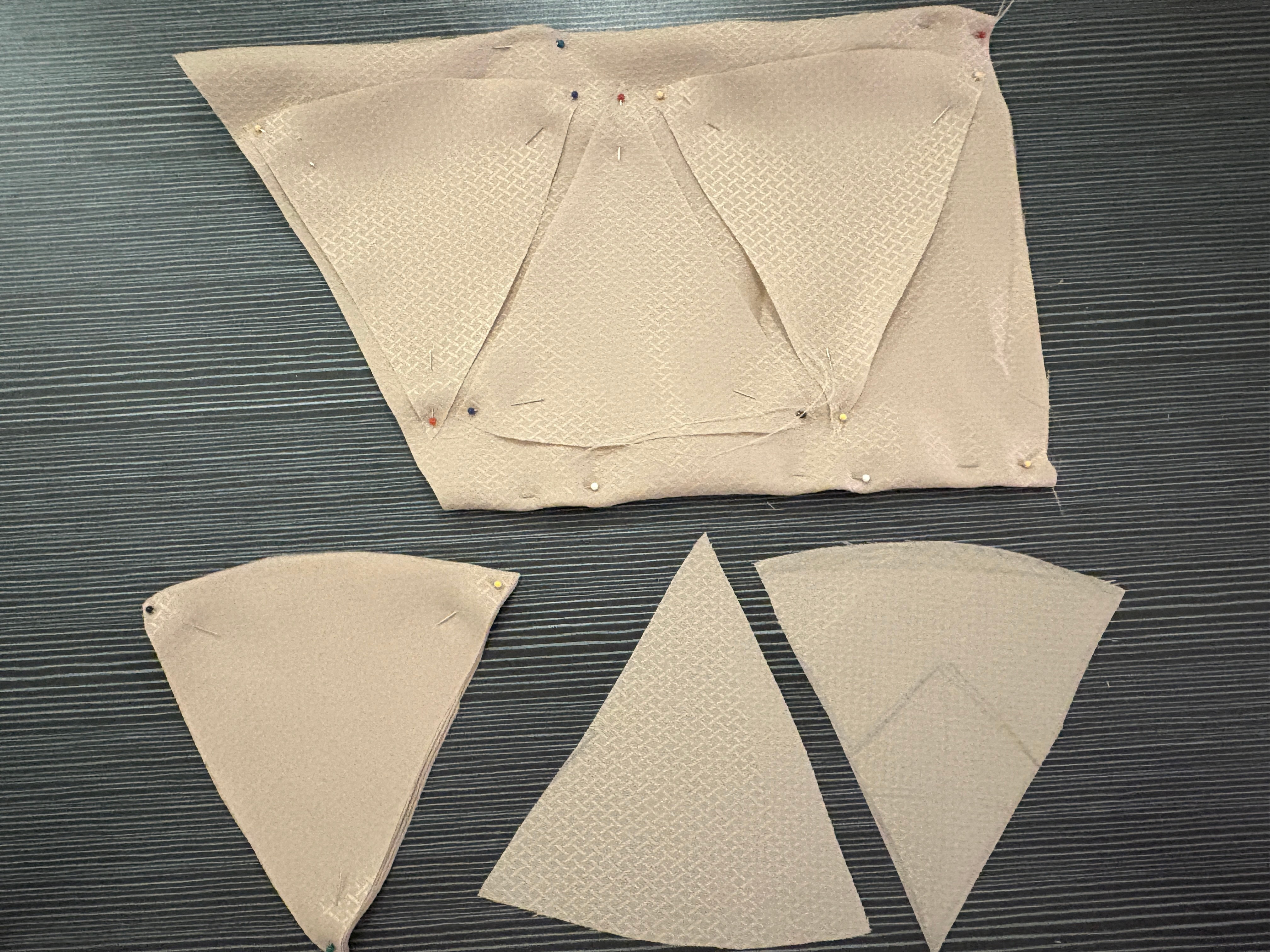
  3. Assembling scraps
  4. Creating forms with imagined, not measured, relationships to the head
  5. Documenting outcomes + patterns that recur
 

crowd of people on a town square

key findings

  1. repetition as a tool

Repeating simple shapes made blind patterning more manageable

→ let improvisation feel grounded

  1. experience in scale

Before: Scale is determined by measurement to ensure fit

After: Without measurement, scale became intuitive

→ Oversized pieces feel overwhelming or humorous

→ Tiny pieces feel fragile or awkward


lifestyle heel inspiration

the head as a site

usually...

→ requires a very precise fit

→ Demands accuracy

→ Follows strict pattern logic

In this project…

→ Relationship to the head is speculative

→ Fit is guessed, not measured

→ Opens space for the object to grow

potential for applying the method

→ Scale and misalignment can create intuitive, rather than functional, relationships to the body

→ Removing measurement opens new forms and new ways of thinking about care, support, and intimacy

crowd of people on a town square

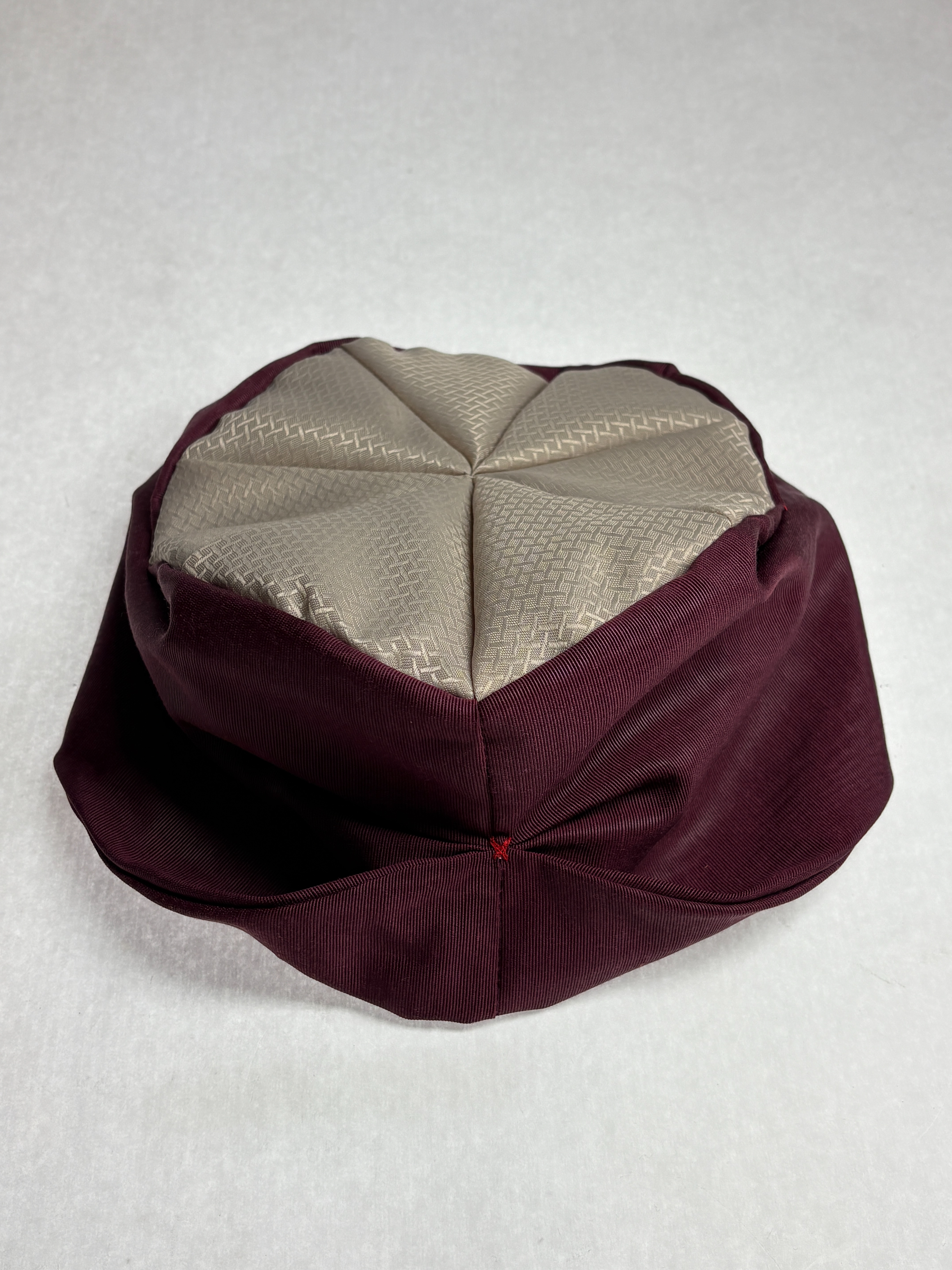
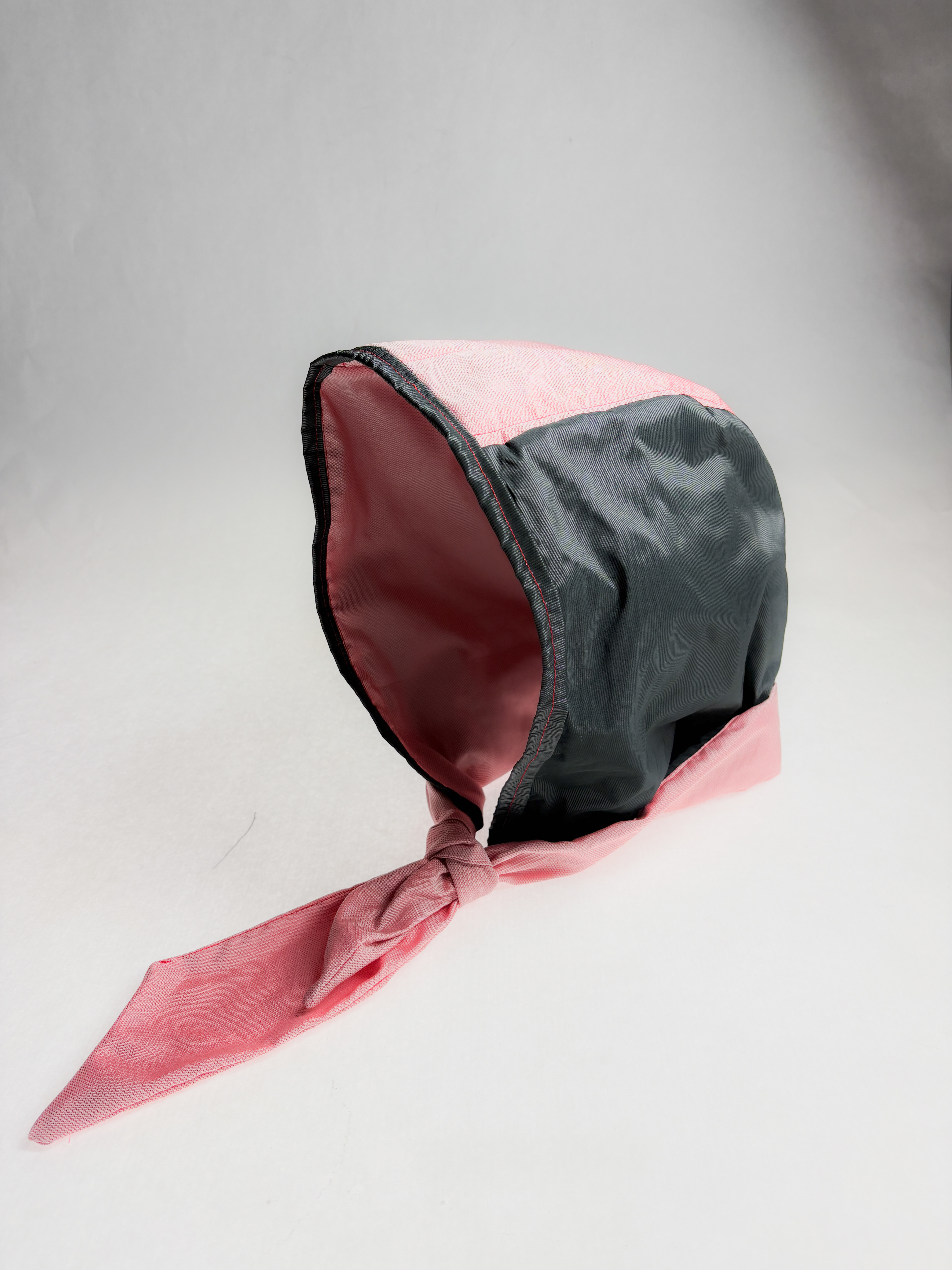
final objects

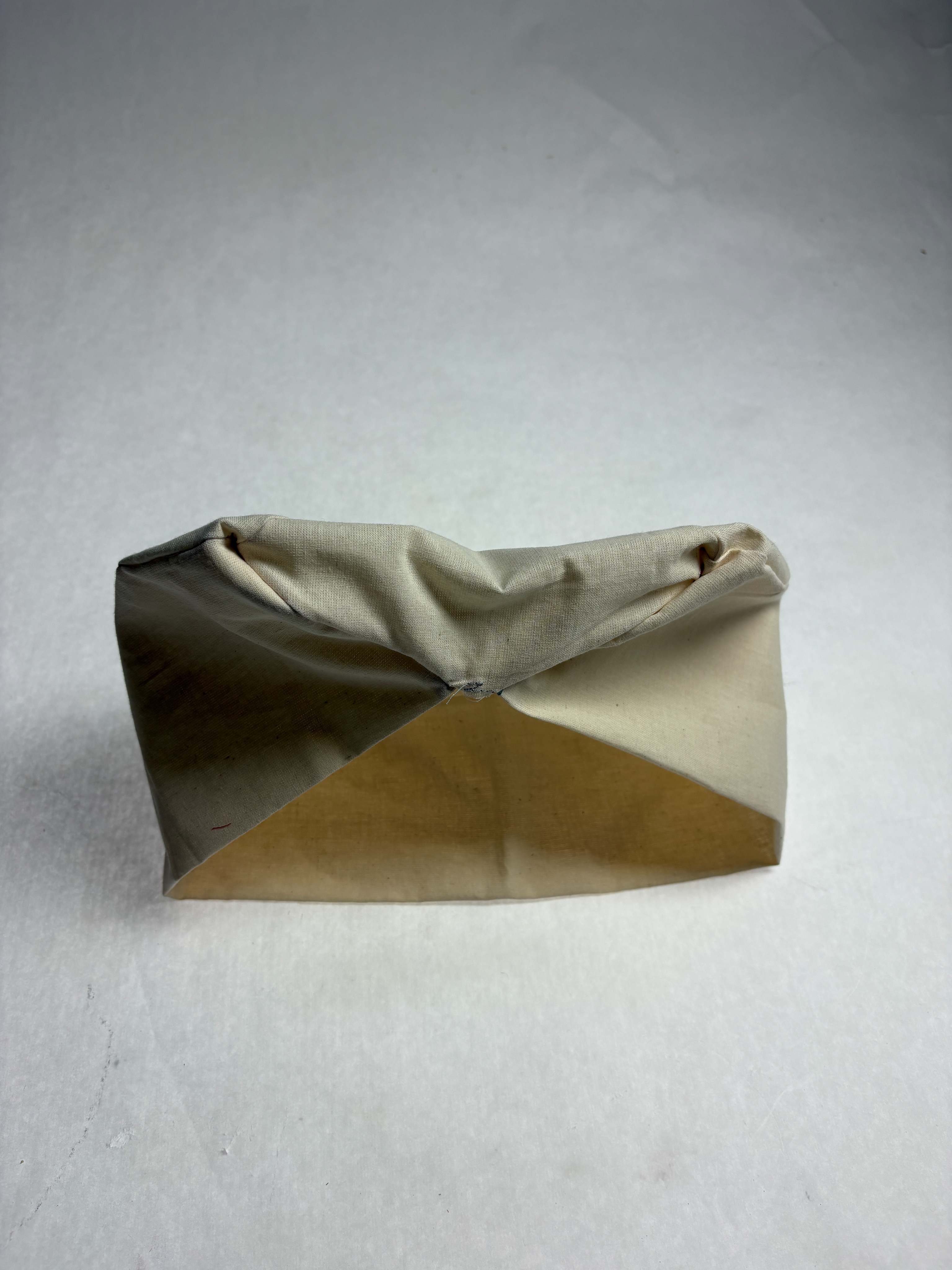
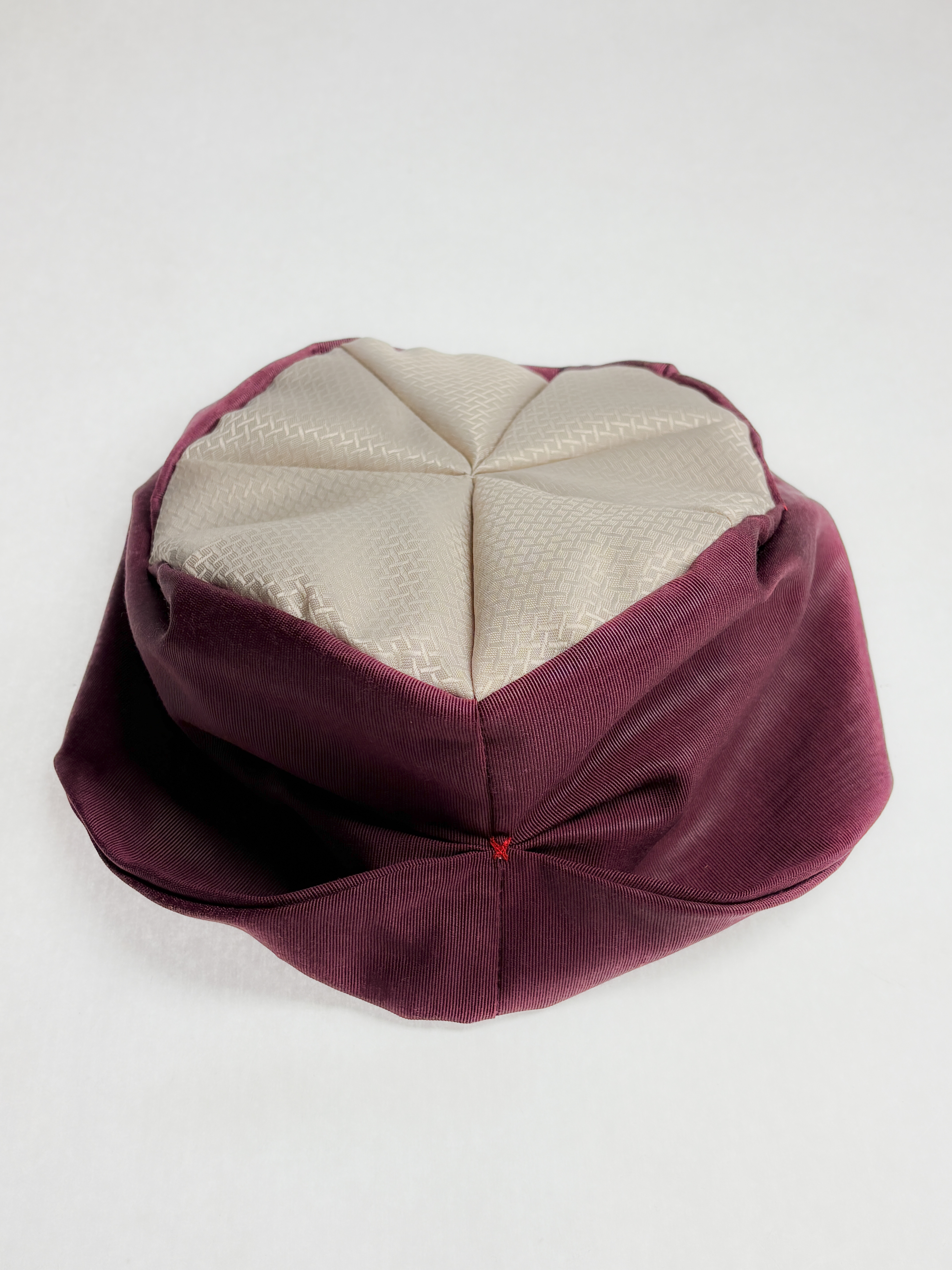
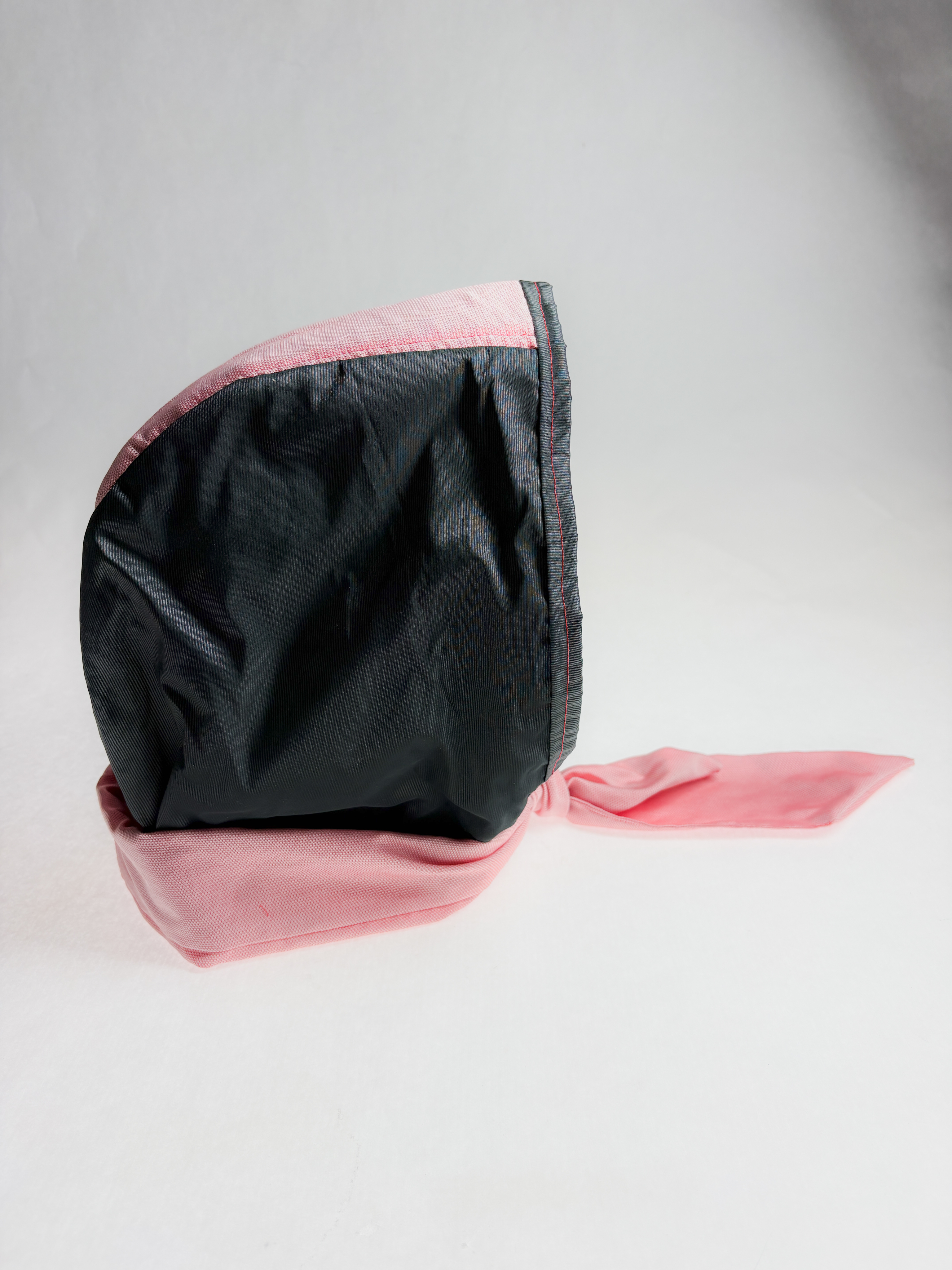
head oriented object 1

head oriented object 2

footwear

hi-lo footwear ss26

designing women’s heels for production

explore

textiles

machine knitting

single bed machine knitting swatches

explore

blurry photo of sunset over ocean with logo on top

soft goods

head oriented objects

unfitted: the head as a site

man walking in front of textured wall

Project question:

“What does soft goods become when measurement, precision, and fit are intentionally removed from prototyping?”

Soft goods design usually centers precision, measurement, and correct fit, assuming objects must support and properly serve the body. My project challenges that logic by removing measurement and control and instead using blind patterning, guesswork, and intuition to treat misalignment and disproportion as valid design methods, especially in relation to the head, which typically demands exactness. Through weekly experiments and two final head oriented pieces, I will explore what happens when care and correctness give way to looseness, humor, misfit, and wonder.

guiding questions

What happens when precision is removed from soft goods design?

How does the object behave when accuracy isn’t the goal?

How can the head be approached with uncertainty instead of correctness?

soft goods vs. unfitted method

→ Measurements/fitting

→ Patternmaking

→ Construction details

→ Order of operations

→ Blind patterning (just draw… or sew…)

→ Cut however much fabric you want (guesswork)

→ Assemble however you want (intuition)

→ Make edits along the way! (have fun!)

testing processes

  1. Cutting without rulers
  2. Scaling pieces unpredictably
  3. Assembling scraps
  4. Creating forms with imagined, not measured, relationships to the head
  5. Documenting outcomes + patterns that recur
 

crowd of people on a town square
lifestyle heel sketches
lifestyle heel inspiration

key findings

  1. repetition as a tool

Repeating simple shapes made blind patterning more manageable

→ let improvisation feel grounded

  1. experience in scale

Before: Scale is determined by measurement to ensure fit

After: Without measurement, scale became intuitive

→ Oversized pieces feel overwhelming or humorous

→ Tiny pieces feel fragile or awkward


lifestyle heel inspiration

the head as a site

usually...

→ requires a very precise fit

→ Demands accuracy

→ Follows strict pattern logic

In this project…

→ Relationship to the head is speculative

→ Fit is guessed, not measured

→ Opens space for the object to grow

potential for applying the method

→ Scale and misalignment can create intuitive, rather than functional, relationships to the body

→ Removing measurement opens new forms and new ways of thinking about care, support, and intimacy

crowd of people on a town square

final objects

head oriented object 1

head oriented object 2

footwear

hi-lo footwear ss26

designing women’s heels for production

explore

textiles

machine knitting

single bed machine knitting swatches

explore

blurry photo of sunset over ocean with logo on top

soft goods

head oriented objects

unfitted methodology: the head as a site

man walking in front of textured wall

Project question:

“What does soft goods become when measurement, precision, and fit are intentionally removed from prototyping?”

Soft goods design usually centers precision, measurement, and correct fit, assuming objects must support and properly serve the body. My project challenges that logic by removing measurement and control and instead using blind patterning, guesswork, and intuition to treat misalignment and disproportion as valid design methods, especially in relation to the head, which typically demands exactness. Through weekly experiments and two final head oriented pieces, I will explore what happens when care and correctness give way to looseness, humor, misfit, and wonder.

guiding questions

What happens when precision is removed from soft goods design?

How does the object behave when accuracy isn’t the goal?

How can the head be approached with uncertainty instead of correctness?

soft goods vs. unfitted method

→ Measurements/fitting

→ Patternmaking

→ Construction details

→ Order of operations

→ Blind patterning (just draw… or sew…)

→ Cut however much fabric you want (guesswork)

→ Assemble however you want (intuition)

→ Make edits along the way! (have fun!)

testing processes

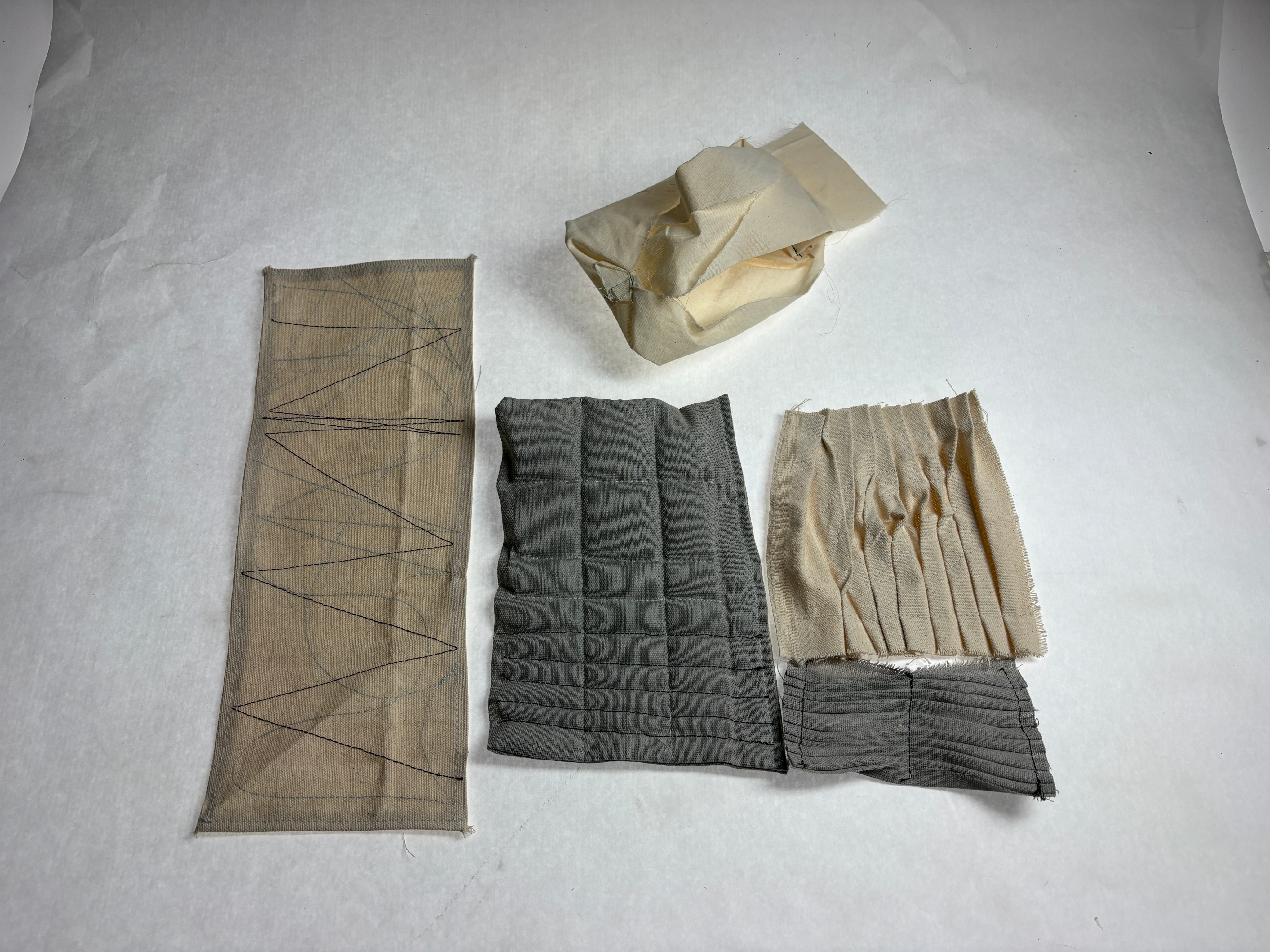
  1. Cutting without rulers
  2. Scaling pieces unpredictably
  3. Assembling scraps
  4. Creating forms with imagined, not measured, relationships to the head
  5. Documenting outcomes + patterns that recur
 

crowd of people on a town square

key findings

  1. repetition as a tool

Repeating simple shapes made blind patterning more manageable

→ let improvisation feel grounded

  1. experience in scale

Before: Scale is determined by measurement to ensure fit

After: Without measurement, scale became intuitive

→ Oversized pieces feel overwhelming or humorous

→ Tiny pieces feel fragile or awkward
 

lifestyle heel inspiration

the head as a site

usually...

→ requires a very precise fit

→ Demands accuracy

→ Follows strict pattern logic

In this project…

→ Relationship to the head is speculative

→ Fit is guessed, not measured

→ Opens space for the object to grow

potential for applying the method

→ Scale and misalignment can create intuitive, rather than functional, relationships to the body

→ Removing measurement opens new forms and new ways of thinking about care, support, and intimacy
crowd of people on a town square

final objects

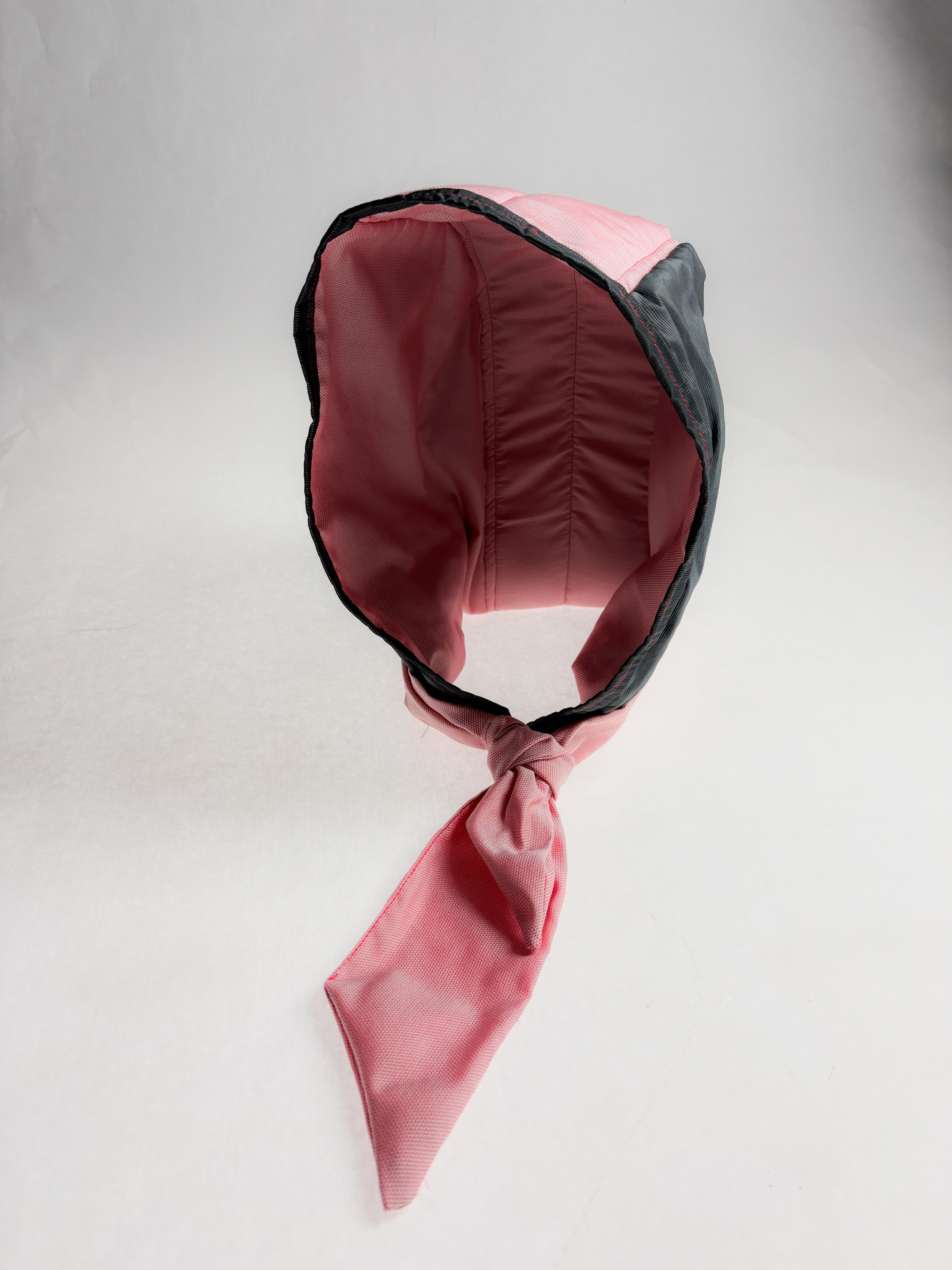
head oriented object 1

head oriented object 2
footwear

hi-lo footwear ss26

designing women’s heels for production

explore

textiles

machine knitting

single bed machine knitting swatches

explore

blurry photo of sunset over ocean with logo on top